E-mail: manager@zhiang-pipesupport.com
Mobile: +86 177 3378 1211
E-mail: manager@zhiang-pipesupport.com
Mobile: +86 177 3378 1211
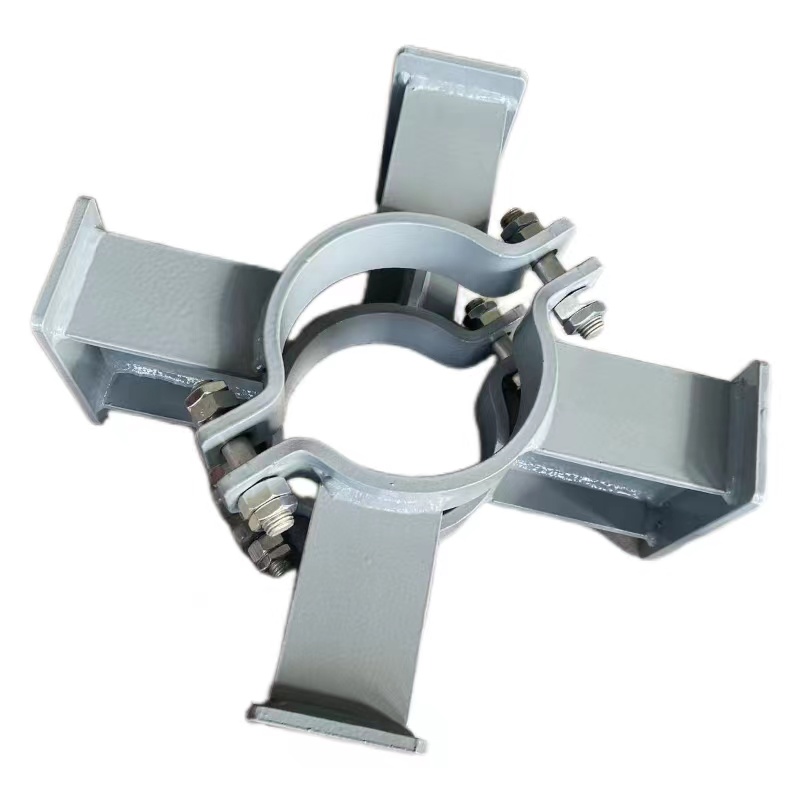
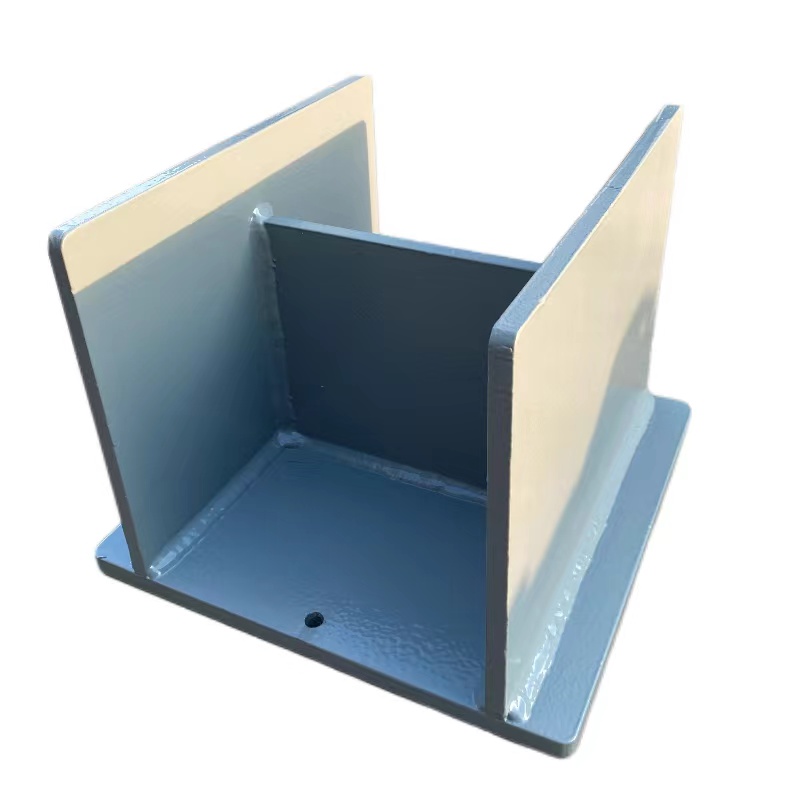
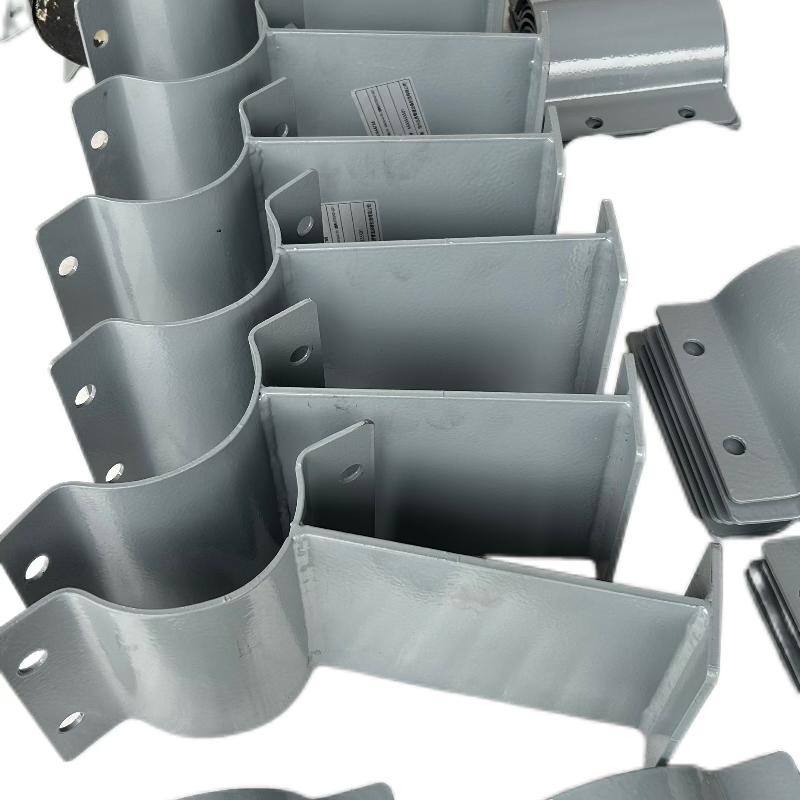
When purchasing pipe bracket samples for your projects, ensuring quality is crucial. Many manufacturers promise high-quality products, but how can you be sure? Conducting in-house testing on pipe support brackets can help you avoid costly mistakes and ensure reliability. This process not only identifies defects but can also confirm the strength and durability of the brackets. Engaging a pipework support manufacturer may seem easier, but taking the initiative to perform tests is beneficial.
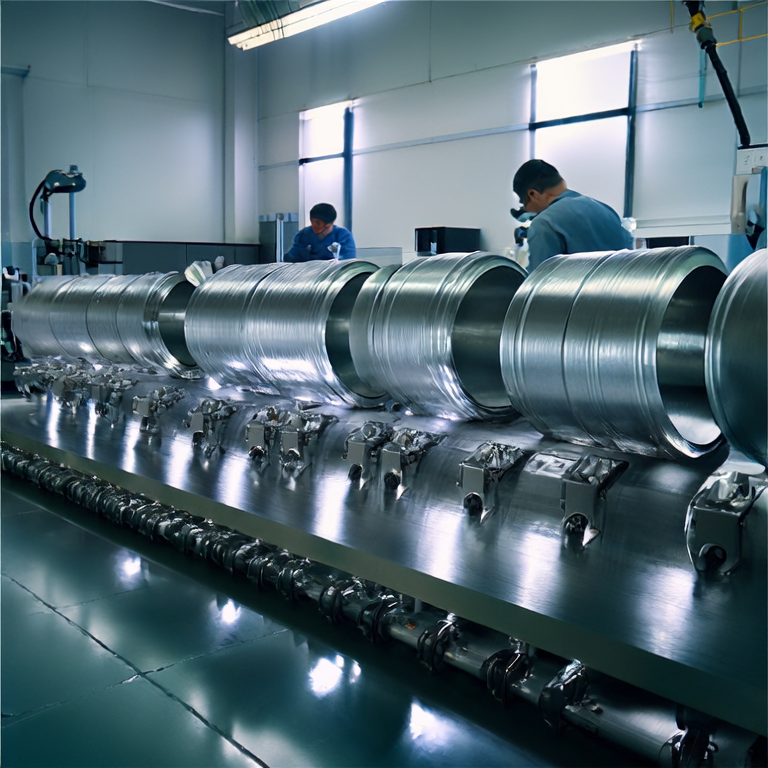
To perform in-house testing on pipe bracket samples, identify key parameters, choose the appropriate testing methods, and document the results. Ensure that the samples meet your specifications before making a bulk purchase. This approach minimizes risks and ensures high-quality pipe support solutions.
Before testing, you need to identify what to measure. This includes:
Select the right methods for conducting the tests. Here are some common techniques:
After testing, compile and review the data. Look for patterns in the results that indicate performance.
In a recent test of 50 pipe bracket samples, 10% failed the tensile test. This information is critical for ensuring that only the best products are selected for bulk purchasing.
In-house testing of pipe bracket samples is essential before making bulk purchases. By identifying key testing parameters, selecting appropriate methods, and evaluating the results, you can ensure the quality of your pipe supports. This will help prevent potential issues that could arise from subpar products.
In-house testing helps ensure that the products meet your specifications and quality standards, reducing the likelihood of defects.
Common methods include tensile testing, fatigue testing, and visual inspections. Each tests different aspects of the brackets.
Defects can often be identified through visual inspections and by conducting material strength tests.