E-mail: manager@zhiang-pipesupport.com
Mobile: +86 177 3378 1211
E-mail: manager@zhiang-pipesupport.com
Mobile: +86 177 3378 1211
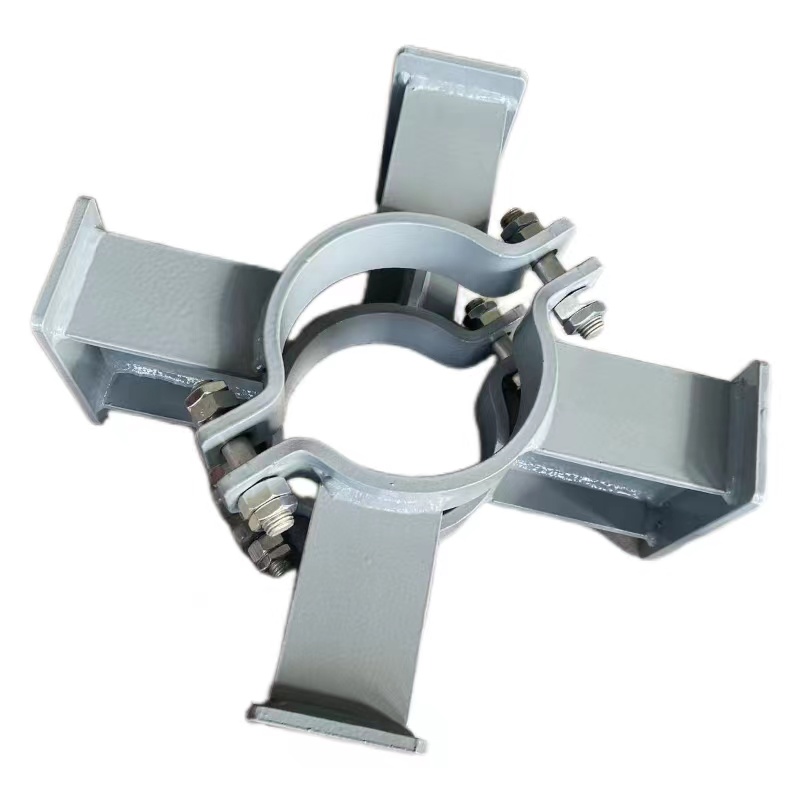
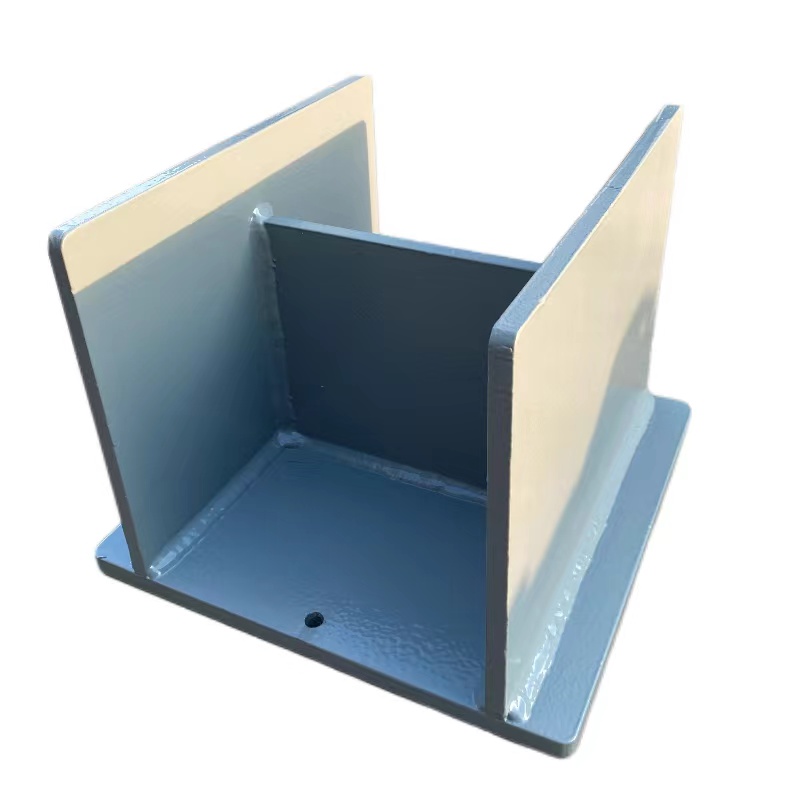
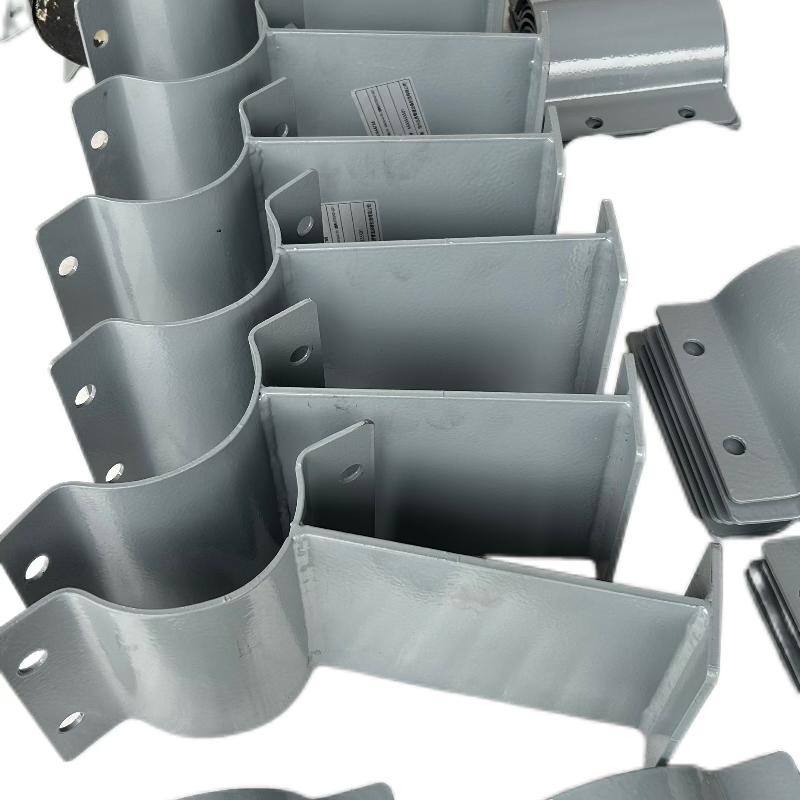
Streamlining bulk orders can significantly enhance your supply chain efficiency. Vendor-managed inventory (VMI) is a transformative approach that allows you to maximize your inventory levels while minimizing costs. With VMI solutions, manufacturers like pipe support brackets can benefit from fewer stockouts and optimized inventory. Here’s how to leverage VMI to streamline your bulk order processes.
Vendor-Managed Inventory (VMI) is a supply chain model where the vendor takes responsibility for managing inventory levels on behalf of the buyer. This solution is particularly beneficial for businesses with significant bulk orders, as it allows for streamlined operations.
In a VMI setup, the vendor has access to customer inventory data. This access allows them to monitor stock levels in real-time and replenish inventory as needed based on agreed-upon rules.
| Aspect | Traditional Inventory | VMI |
|---|---|---|
| Inventory Control | Managed by Buyer | Managed by Vendor |
| Data Access | Limited to Buyer | Real-time Access for Vendor |
| Order Frequency | Before Stockouts | As per Demand |
Implementing Vendor-Managed Inventory (VMI) can result in several advantages including:
With VMI, vendors can optimize stock levels based on inventory tracking and forecasting, leading to less excess stock and reduced holding costs.
Companies using VMI often note significant reductions in order processing costs and increased inventory turnover rates.
With more reliable stock levels, there's a decrease in stockouts, leading to increased customer satisfaction through seamless delivery.
To successfully implement VMI, consider the following steps:
Define what you aim to achieve with VMI, such as reducing lead times or minimizing costs.
Utilize inventory management software that supports VMI functionalities for seamless data sharing and analytics.
Engage in continuous communication with all parties involved to ensure smooth operations.
While VMI presents numerous benefits, it may also come with challenges:
Relying heavily on the vendor for inventory management may increase risk. Select a reliable vendor for a successful VMI partnership.
Ensure your inventory data is accurate and up-to-date to support effective VMI operations.
Assess if the chosen VMI solution can easily integrate with your current inventory management system. Compatibility is crucial for successful implementation.
Streamlining bulk orders with Vendor-Managed Inventory (VMI) solutions can lead to substantial improvements in supply chain efficiency and cost savings. By understanding how VMI works and following the steps to implement it, manufacturers and distributors can enhance their operations and customer satisfaction significantly. Embrace VMI to navigate the complexities of bulk ordering with confidence!