E-mail: manager@zhiang-pipesupport.com
Mobile: +86 177 3378 1211
E-mail: manager@zhiang-pipesupport.com
Mobile: +86 177 3378 1211
In industrial applications, choosing the right pipe support is vital. The two main types are welding and non-welding pipe brackets. Each type has its advantages and disadvantages. This choice directly affects the durability and efficiency of pipework systems. Manufacturers often wonder which option is best for their specific needs. Understanding welding and non-welding pipe brackets can enhance decision-making. It is essential to weigh their features for long-lasting solutions.
png/b84b01e1032d8368e207759a5485e375ip48c8.png
Welding pipe brackets offer strong, permanent support, while non-welding brackets provide easy installation and flexibility. The right choice depends on project needs, maintenance plans, and installation environments.
Strength and Durability
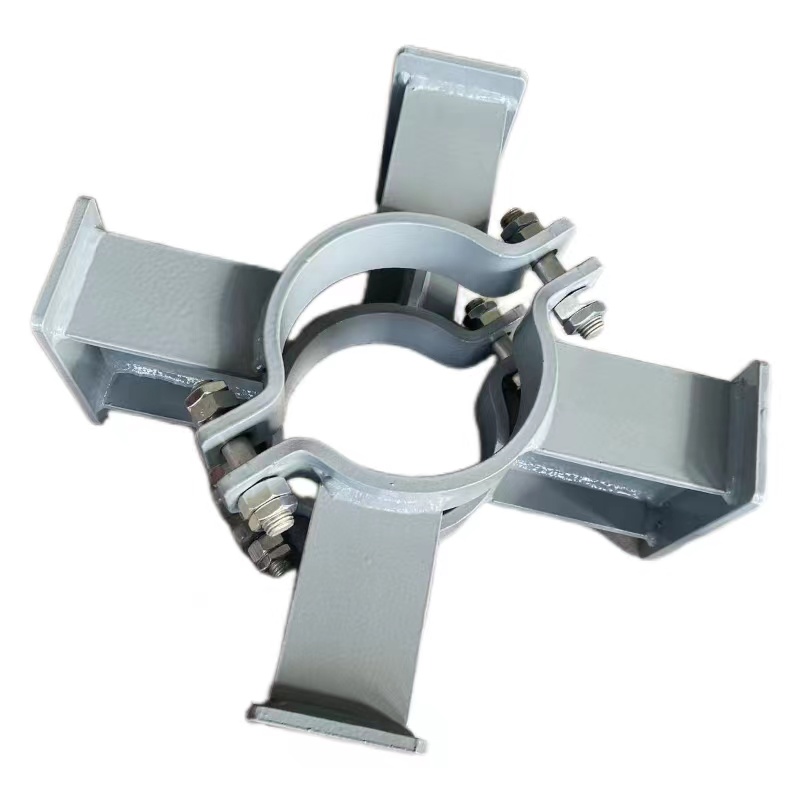
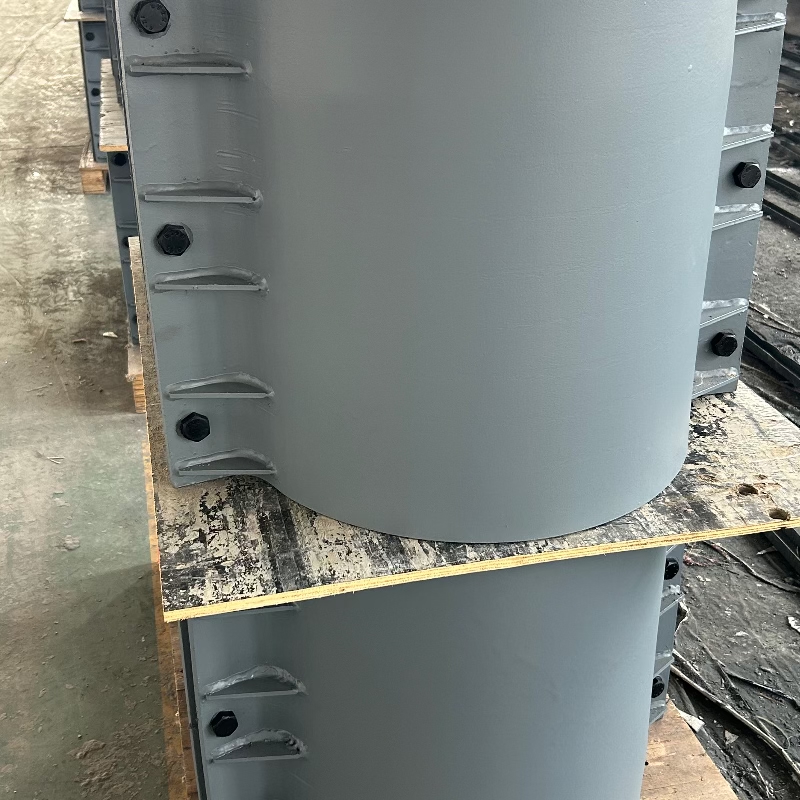
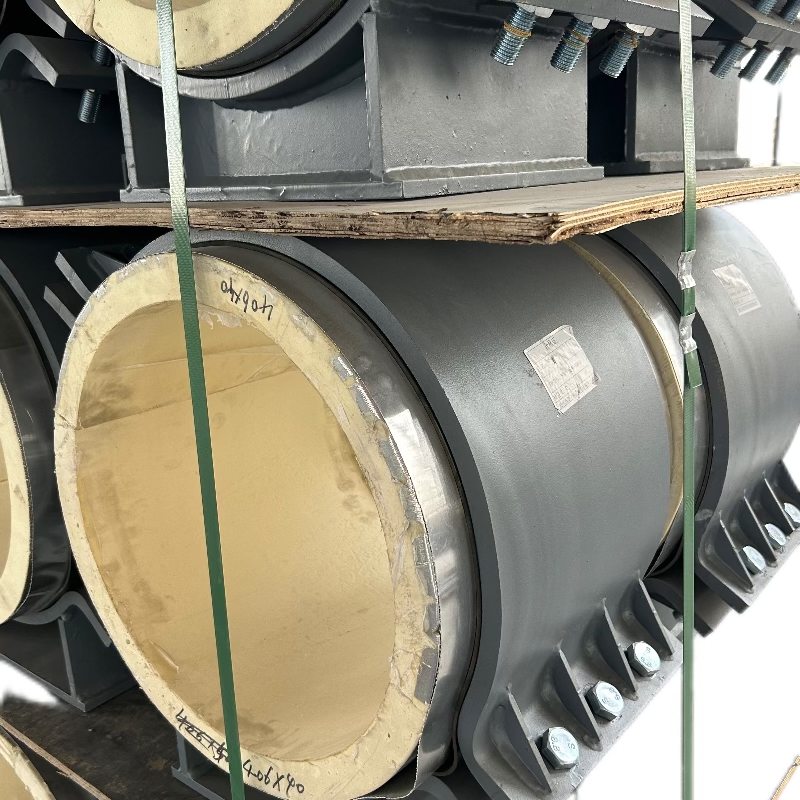
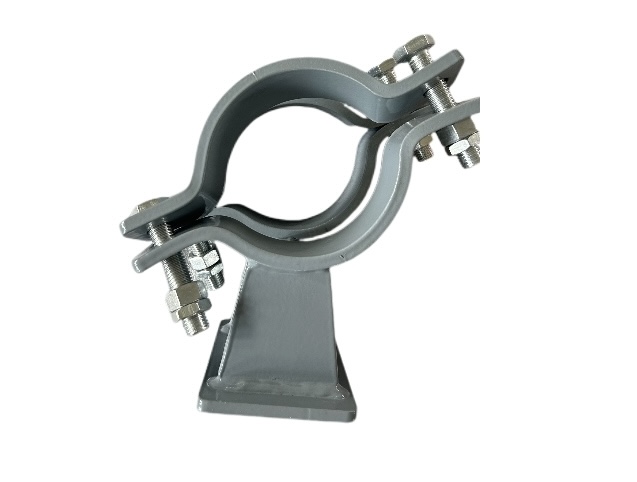
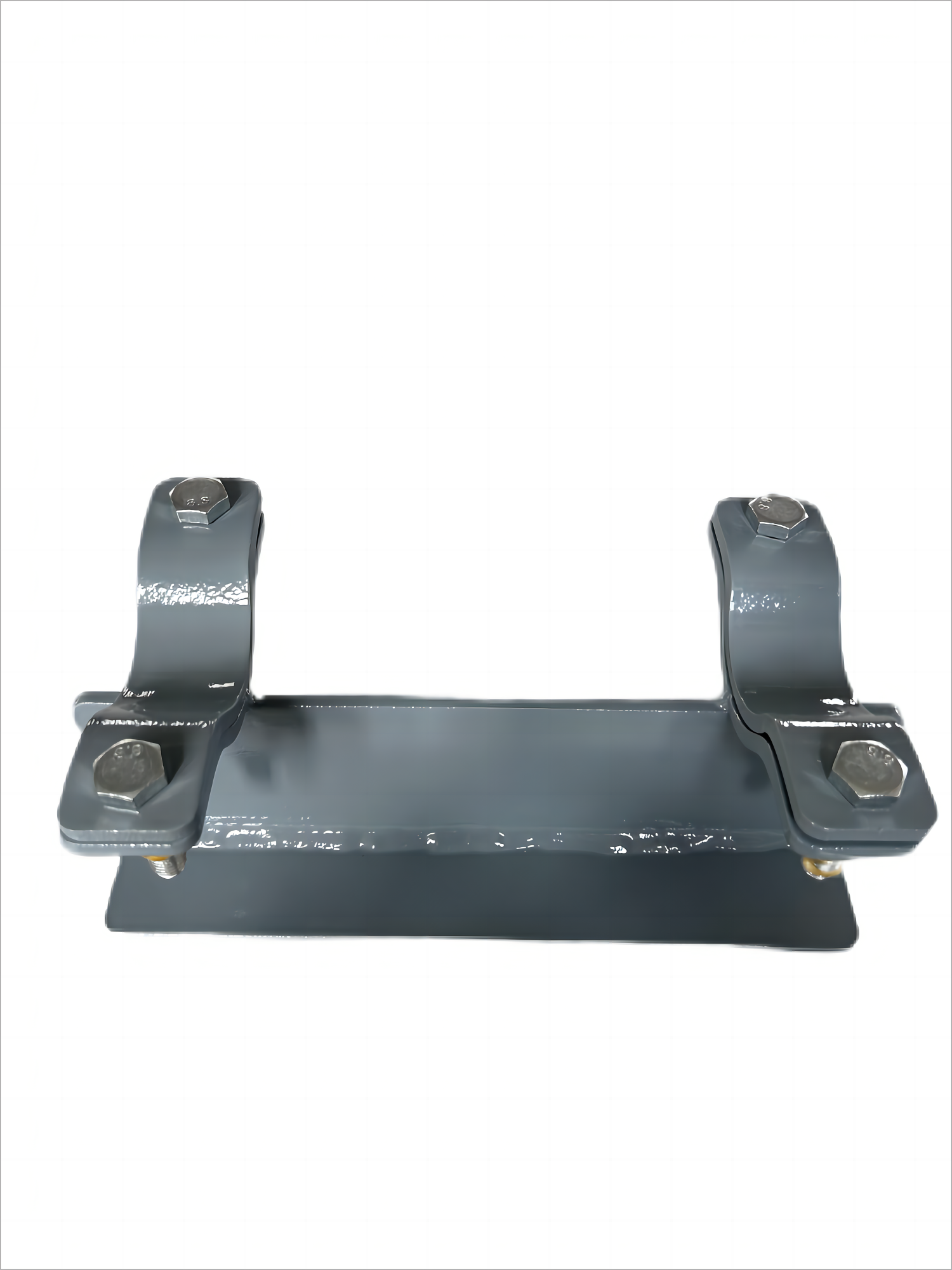
Welding brackets are typically stronger. They create a permanent bond that can withstand high pressure and temperature. Non-welding brackets, on the other hand, use bolts or clamps. While sufficient for many applications, they may not match welding in strength.
Installation Process
The installation of welding brackets requires specialized skills and equipment. It can take more time to install compared to non-welding brackets, which only need basic tools for setup. This slower process can increase overall project timelines.
Step 1: Prepare Materials Step 2: Fit Brackets to Pipes Step 3: Weld or Secure Bracket Step 4: Check Alignment and Security
Maintenance and Accessibility
Non-welding brackets are easier to access for maintenance tasks. If something fails, it is simpler to replace or repair without redoing welding work. This accessibility can save time and costs in maintenance.
In conclusion, both welding and non-welding pipe brackets serve important roles in industrial applications. While welded brackets provide unmatched strength, non-welded options offer quicker installation and easier maintenance. Understanding these differences helps manufacturers select the ideal type for their projects. Being informed will lead to safer and more efficient pipework support solutions.
Q: Which pipe bracket type is better for high-pressure systems?
A: Welding brackets are often better due to their stronger support.
Q: Can non-welding brackets be used in outdoor applications?
A: Yes, but they may require additional protective coatings to resist weathering.
Q: How often should I check my pipe brackets?
A: Regular inspections should be conducted at least once a year to ensure safety and functionality.
Q: Is it easy to replace welded pipe brackets?
A: No, replacing welded brackets usually requires cutting and re-welding. Non-welded options are easier to replace.
Q: Are there different materials for pipe brackets?
A: Yes, common materials include steel, stainless steel, and plastic, depending on the application.